The Concept of Sea Railways
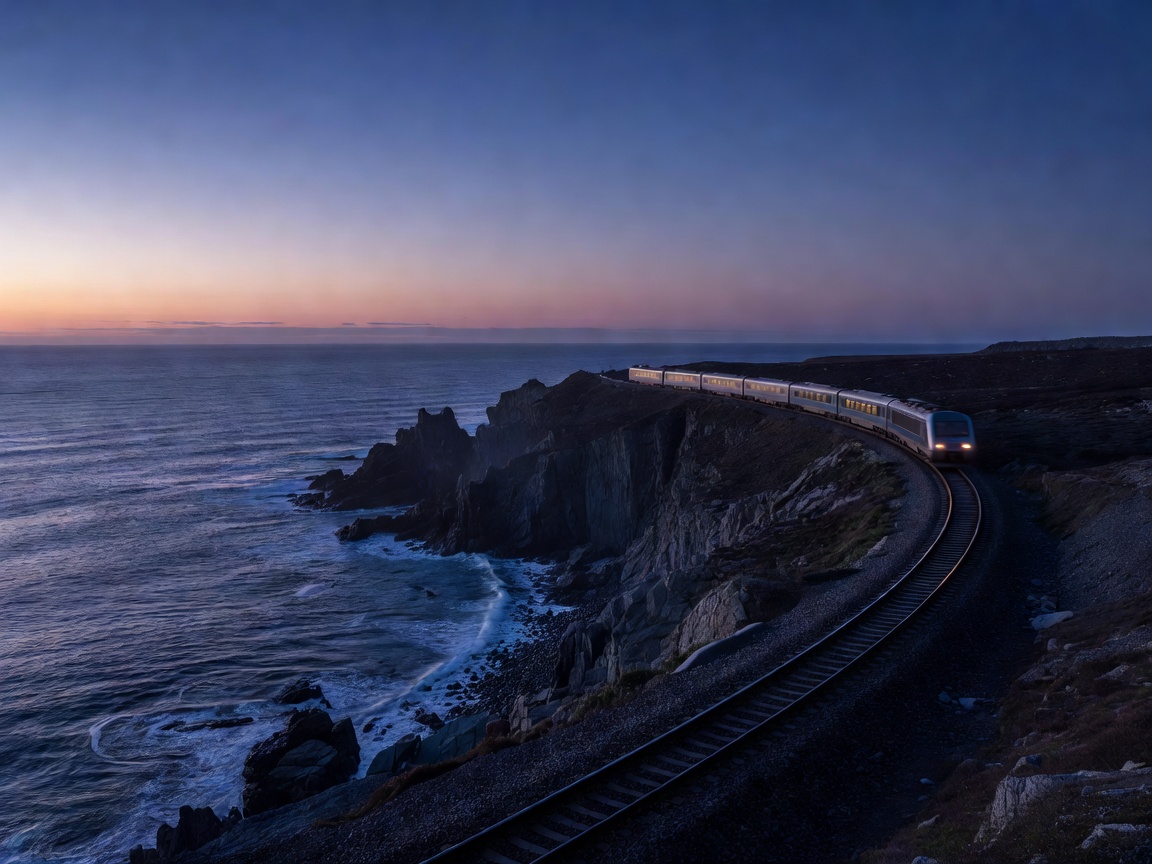
There is a profound, almost surreal magic in looking out of a train window and seeing nothing but churning water. The concept of the "sea train"—a railway that boldly stretches across straits, sounds, and tidal flats—is a testament to human ingenuity and our desire to connect isolated landmasses without relying solely on maritime vessels.
A Brief History
In the late 19th and early 20th centuries, the industrial revolution spurred a massive expansion of rail networks. Engineers quickly realized that ferrying train cars across bodies of water was wildly inefficient. The solution? Build the tracks directly over the sea. From the Florida Overseas Railroad (completed in 1912 but tragically destroyed by a hurricane in 1935) to the robust causeways in Northern Europe, the goal was always seamless connectivity.
"To build a bridge over a river is an achievement. To build a railway across the open sea is a defiance of nature herself."
The Illusion of Gliding on Water
What makes these routes so appealing to modern travelers is the visual trickery they employ. Because train carriages sit relatively high on their bogeys, and the causeways or bridges are often built just a few meters above the high tide line, passengers looking out the side windows cannot see the infrastructure beneath them. The result is the distinct sensation of gliding effortlessly across the ocean surface.
From an architectural standpoint, utilizing glassmorphic windows in modern carriages amplifies this effect. The landscape is drawn into the cabin, blurring the line between the safety of the train interior and the wild expanses of the marine environment outside.
Explore Famous Causeways